Scientific foundation and technical validation of our seaweed climate solutions
Advancing seaweed biotechnology through rigorous scientific investigation
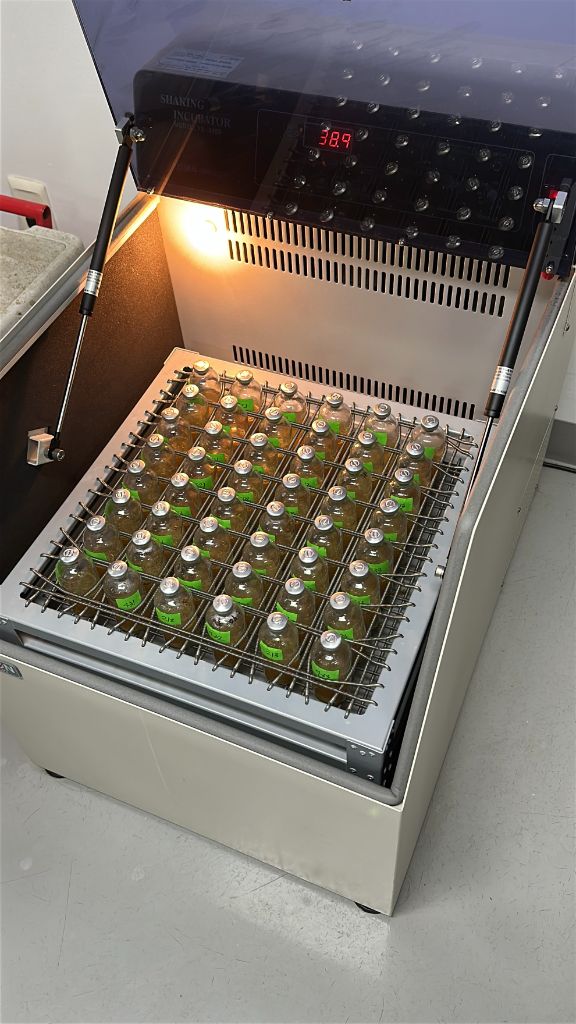
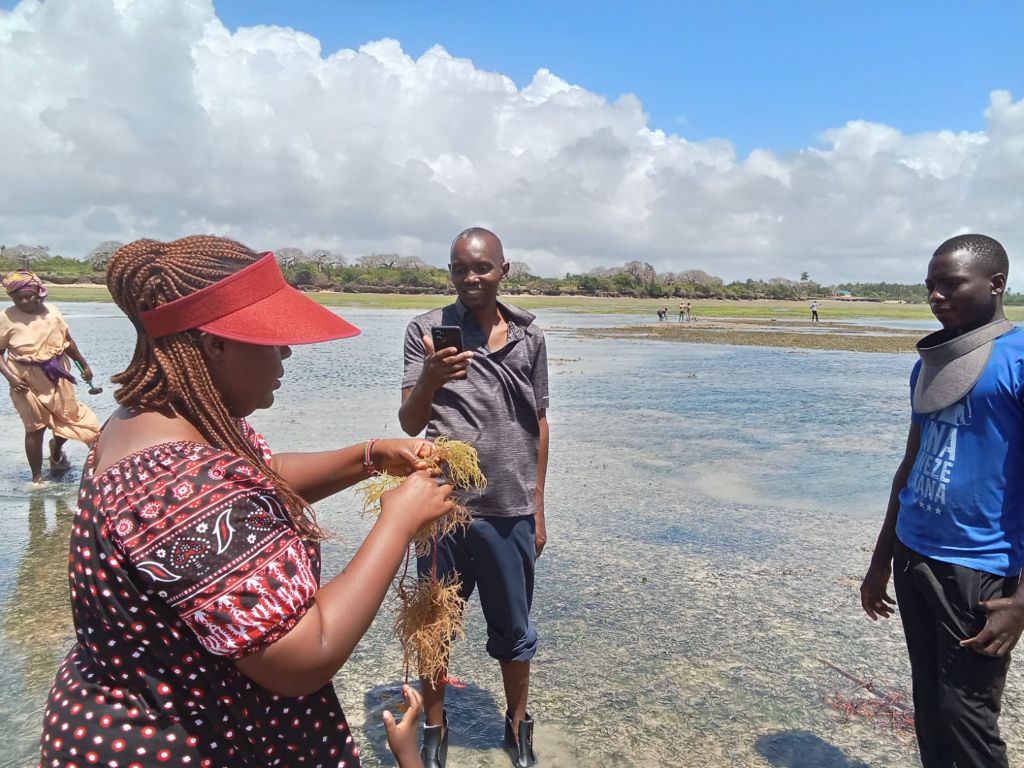
Optimization of growth conditions, nutrient absorption rates, and biomass production for Codium, Sargassum, and Gracilaria species in controlled RAS environments.
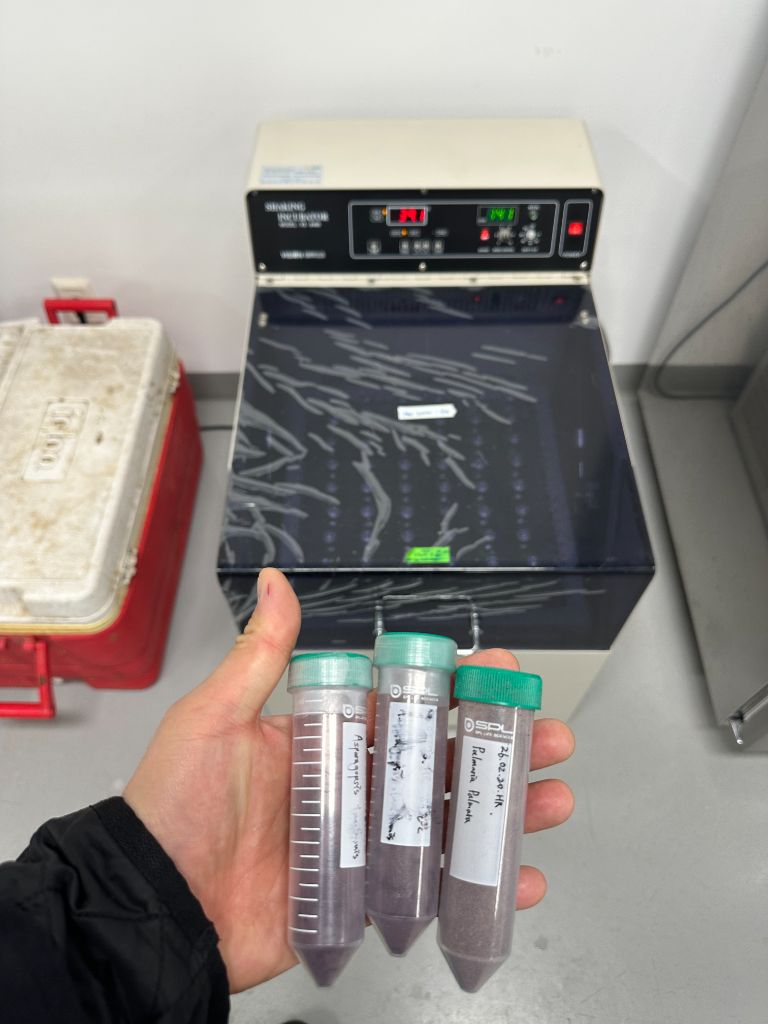
Extraction, characterization, and efficacy testing of methane-inhibiting compounds from seaweed, including bromoform and halogenated molecules.
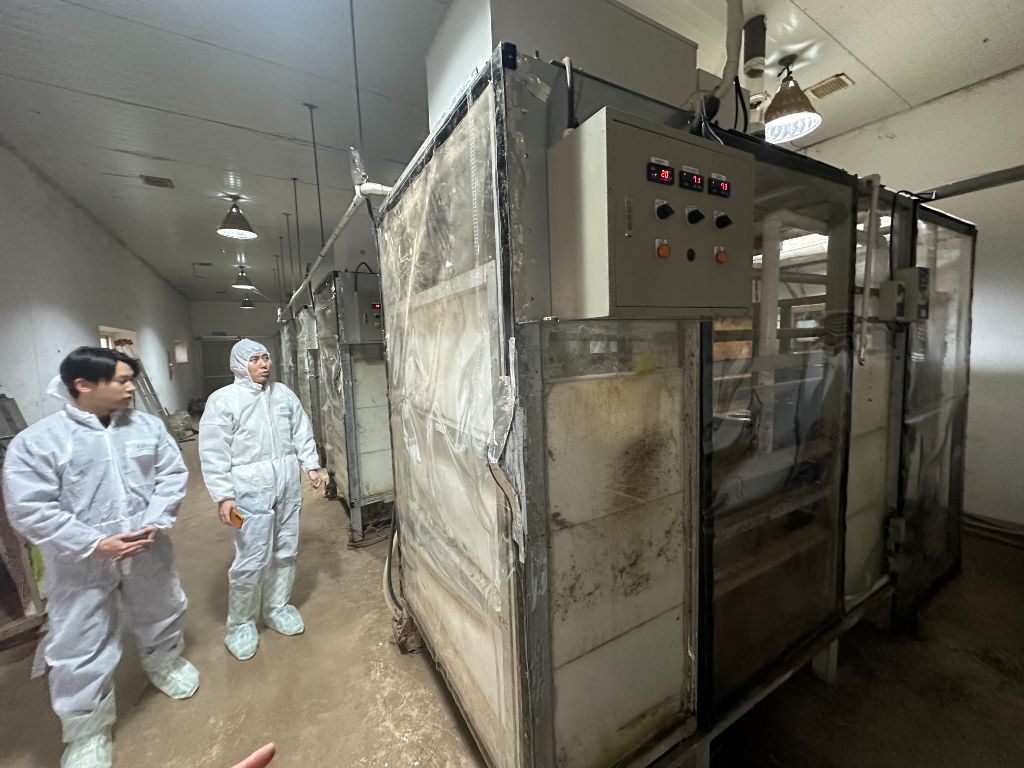
System design, water quality dynamics, and synergistic effects of fish-seaweed co-cultivation in recirculating aquaculture systems.
Evidence-based results from our ongoing scientific work
Methane emission reduction observed in controlled feeding trials
In vitro and in vivo studies demonstrate that seaweed bioactive feed additives at 0.5-2% inclusion rates achieve dramatic reductions in enteric methane production without negatively impacting animal health or productivity.
Nitrogen and phosphorus recovery from aquaculture wastewater
Seaweed biofilters in integrated RAS demonstrate exceptional nutrient absorption, converting fish waste into valuable biomass while maintaining optimal water quality parameters for fish health.
Weekly biomass increase under optimal conditions
Our cultivation protocols achieve rapid seaweed growth rates that enable commercial-scale production. Species-specific optimization of light, temperature, and nutrient availability maximizes yield.
Improved feed efficiency in livestock trials
Methane inhibition redirects hydrogen energy to productive metabolism, resulting in better feed conversion ratios and improved animal performance alongside emission reductions.
Rigorous in vitro and in vivo testing confirms efficacy of seaweed-based solutions
Controlled environment biochemical validation
Reduction at 1-2% inclusion
Simulated rumen fermentation tests using RUSITEC (Rumen Simulation Technique) demonstrated consistent methane suppression across multiple seaweed species.
Bromoform retention after processing
Our RSM-optimized desalination protocol (40-70%) preserves critical halogenated compounds while ensuring palatability and safety for livestock.
Critical air exposure time
GC-MS quantification confirmed that minimizing air exposure during processing and storing at 5-10ยฐC maintains compound integrity.
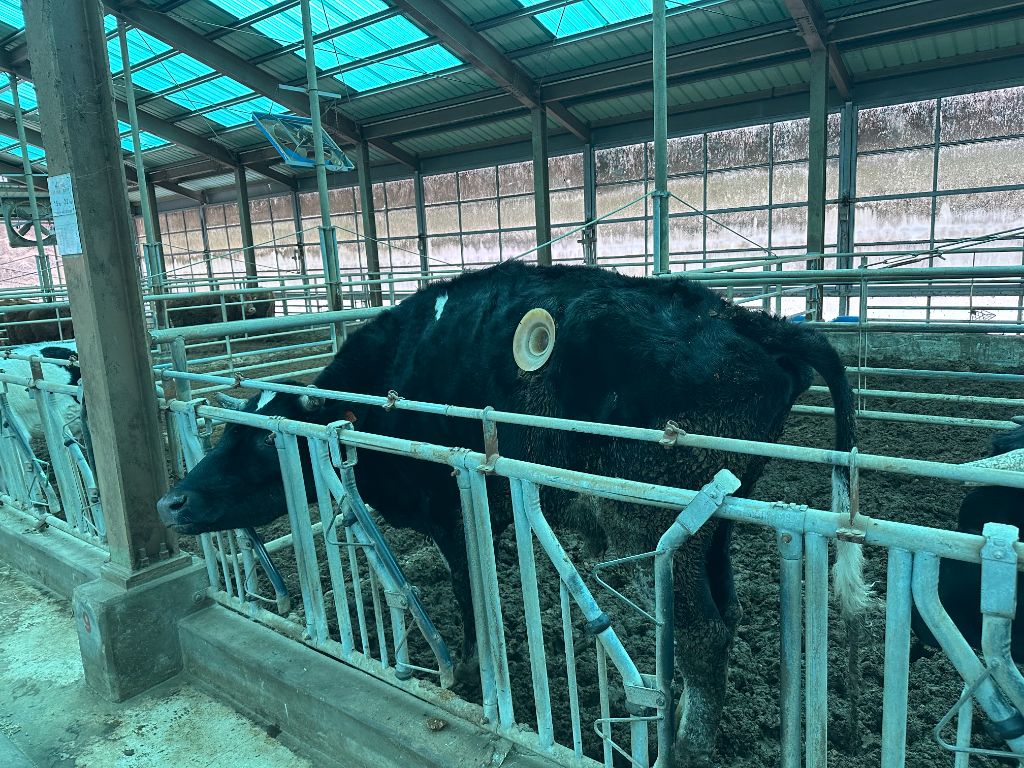
Real-world validation with cattle and ruminants
CHโ emissions reduction in cattle
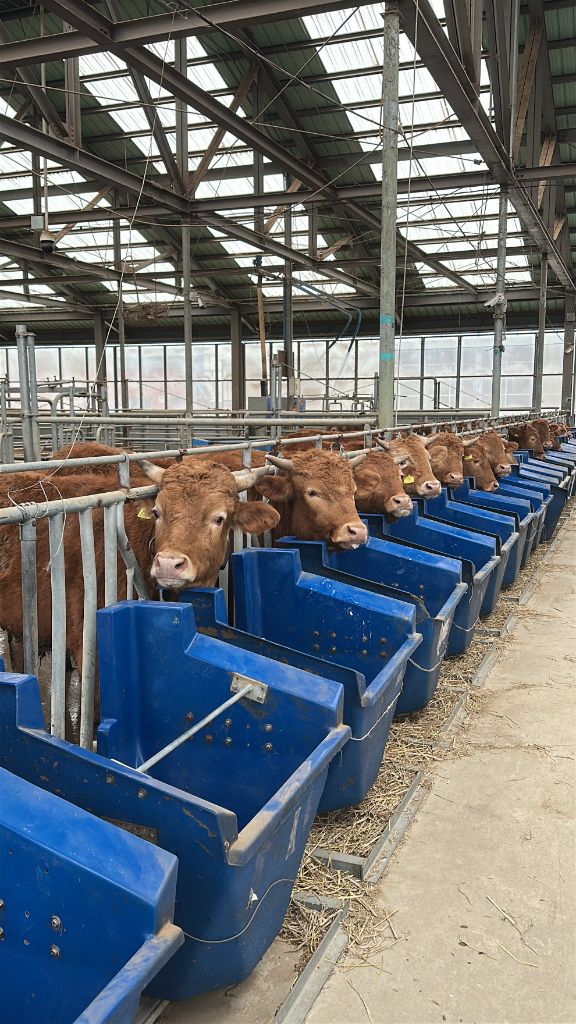
Measured via GreenFeedยฎ systems and respiration chambers, dairy and beef cattle showed sustained, significant methane reductions over 90-120 day trials.
Improvement in FCR
Methane inhibition redirects metabolic hydrogen to productive pathways, resulting in better weight gain and milk production efficiency.
No adverse health effects
Comprehensive blood panels, body condition scoring, and behavioral assessments confirmed zero negative impacts on animal welfare.
Working together to advance seaweed climate technology
Interested in collaboration? We welcome partnerships with research institutions, industry leaders, and policy makers committed to climate solutions.
Start a ConversationAcademic papers, technical reports, and research collaborations
Aenon Research Team (2024)
Comprehensive analysis of water quality parameters, nutrient cycling, and economic performance in a pilot-scale seaweed-integrated recirculating aquaculture system co-cultivating flatfish and Gracilaria species.
Aenon Research Team (2024)
Quantitative analysis of methane-inhibiting compounds in Codium fragile, Sargassum horneri, and related species cultivated under controlled conditions. Includes extraction protocols and stability testing.
Technical Note Series 001 (2024)
Detailed operational guidelines for integrating seaweed cultivation into existing RAS facilities, including system sizing, species selection criteria, and maintenance protocols.
We actively collaborate with academic institutions, government research organizations, and industry partners. Areas of interest include:
Building knowledge through collaboration
Collaborations with leading universities for fundamental research, student projects, and joint publications advancing seaweed biotechnology.
Partnerships with national research institutes on applied projects, pilot demonstrations, and policy-relevant studies for sustainable aquaculture.
Joint development projects with aquaculture operations, feed manufacturers, and agricultural companies for real-world validation and commercialization.
Interested in research collaboration, data sharing, or joint project development? We welcome inquiries from academic, government, and industry partners.